Simulating planetary and interstellar radiation conditions
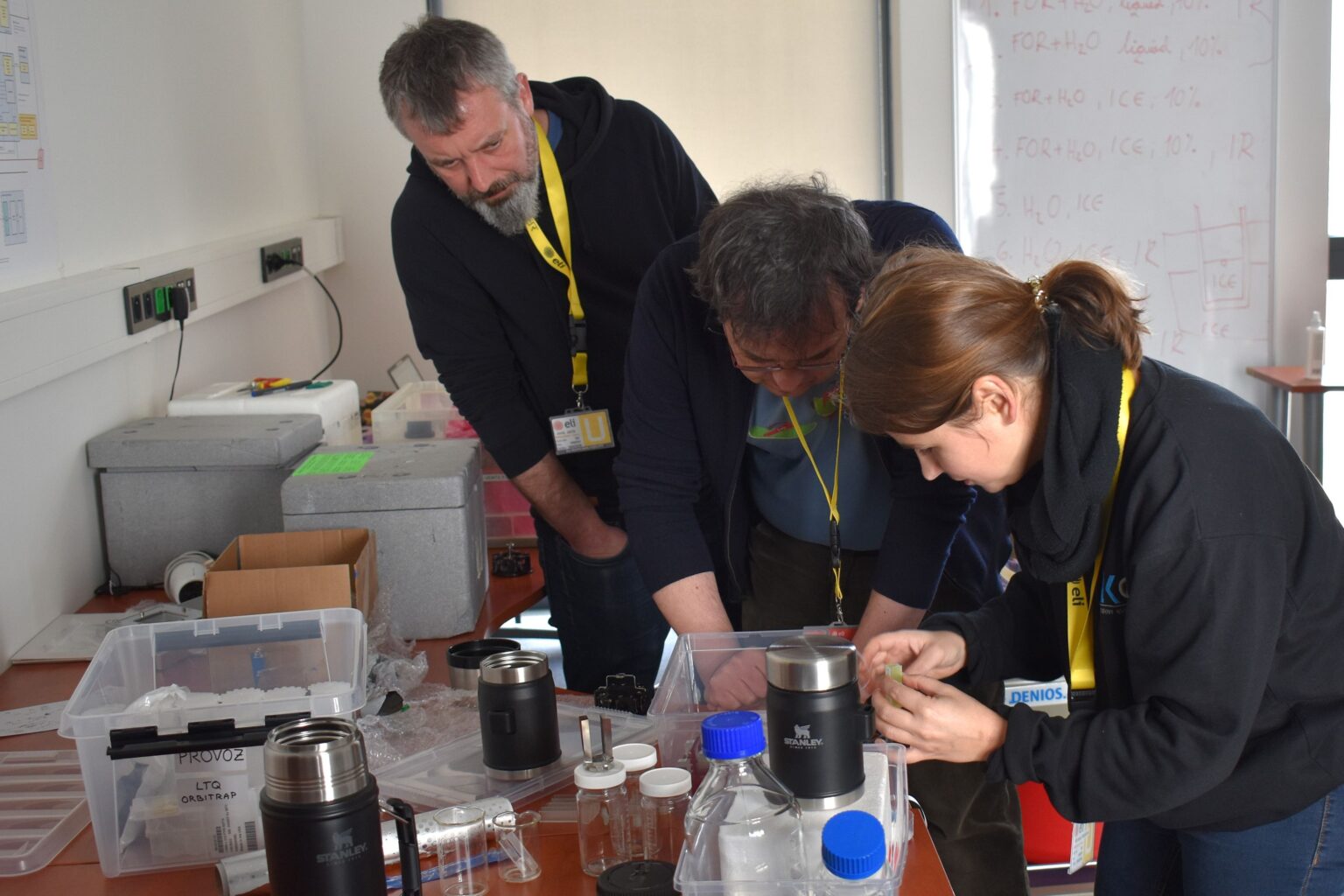
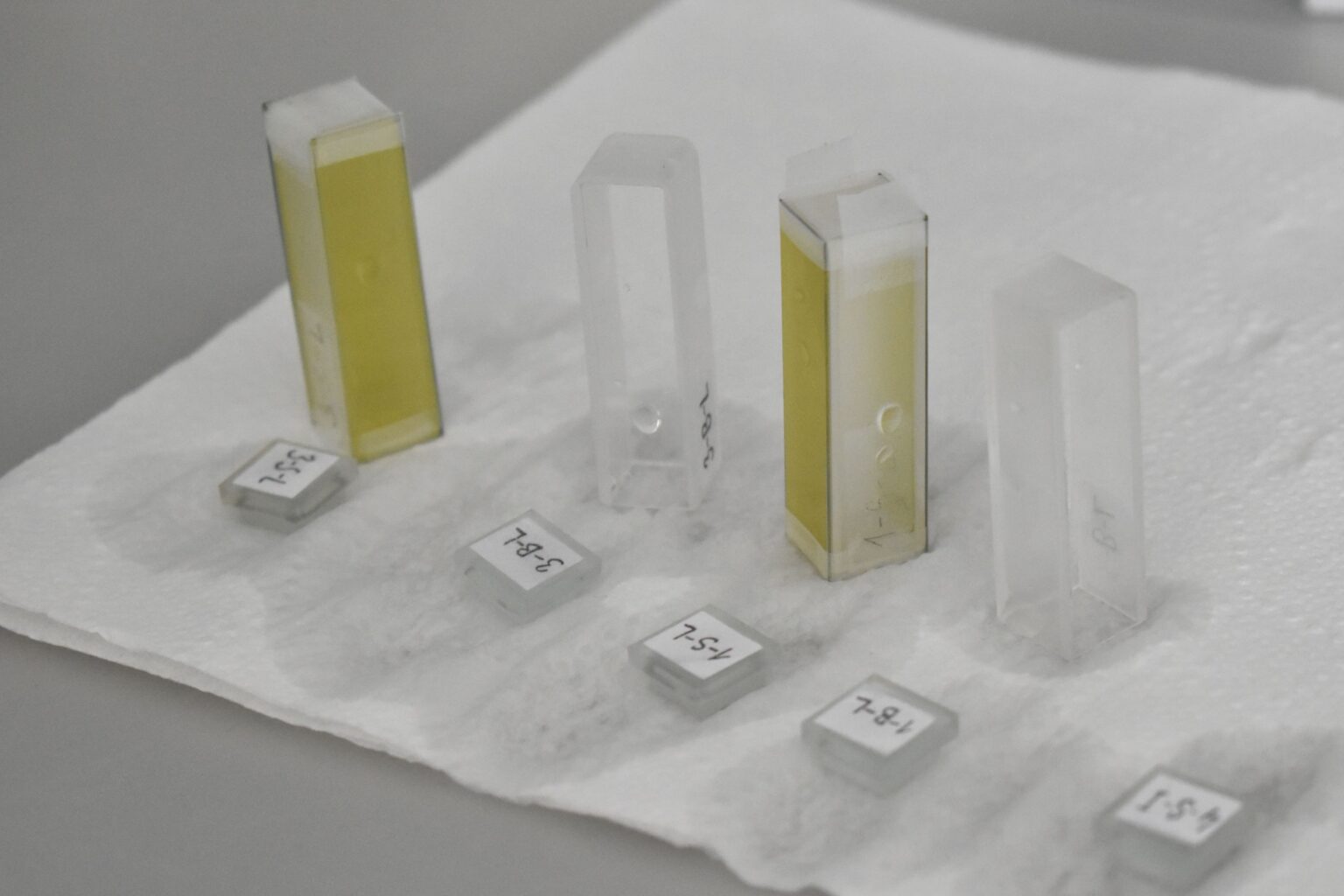
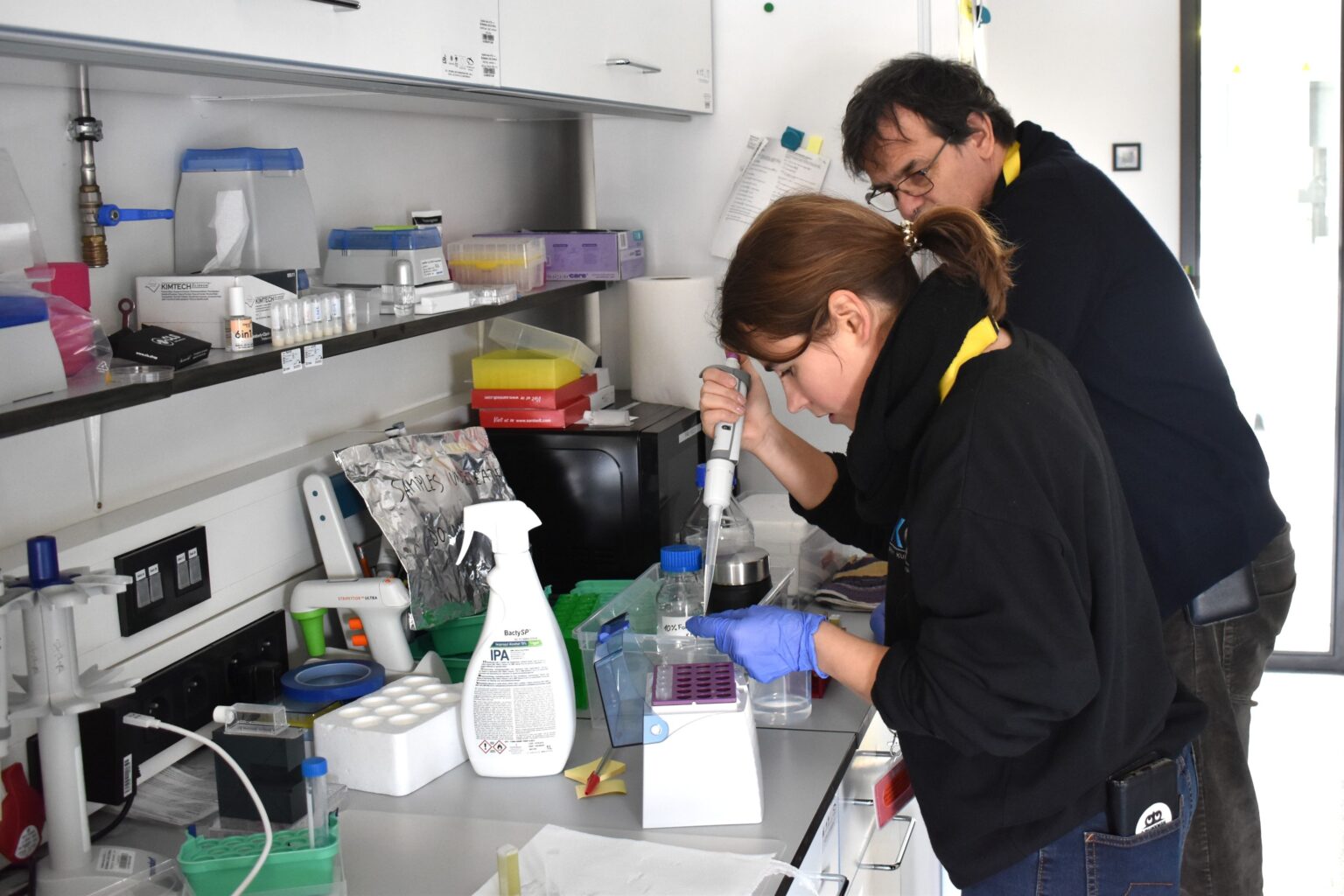
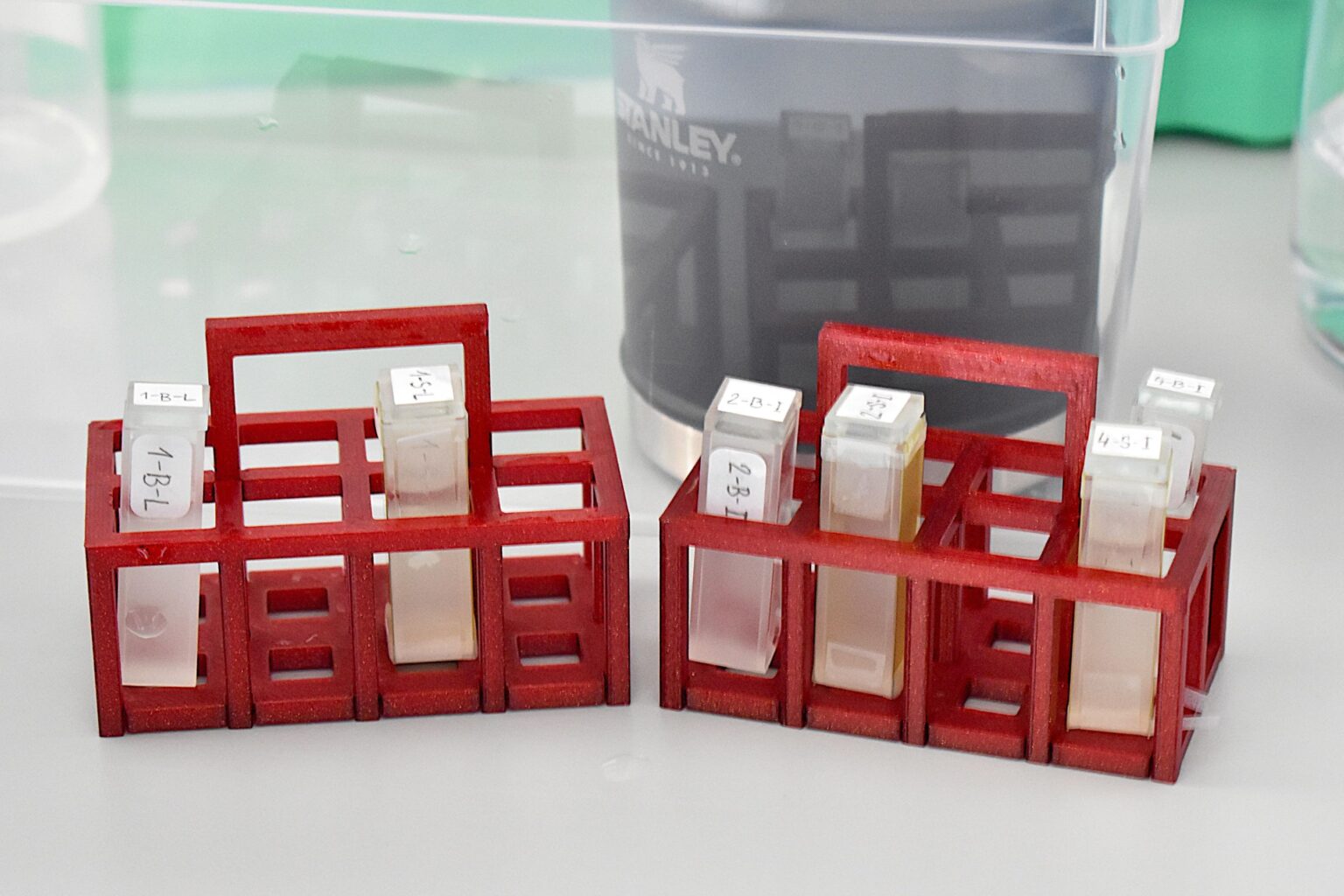
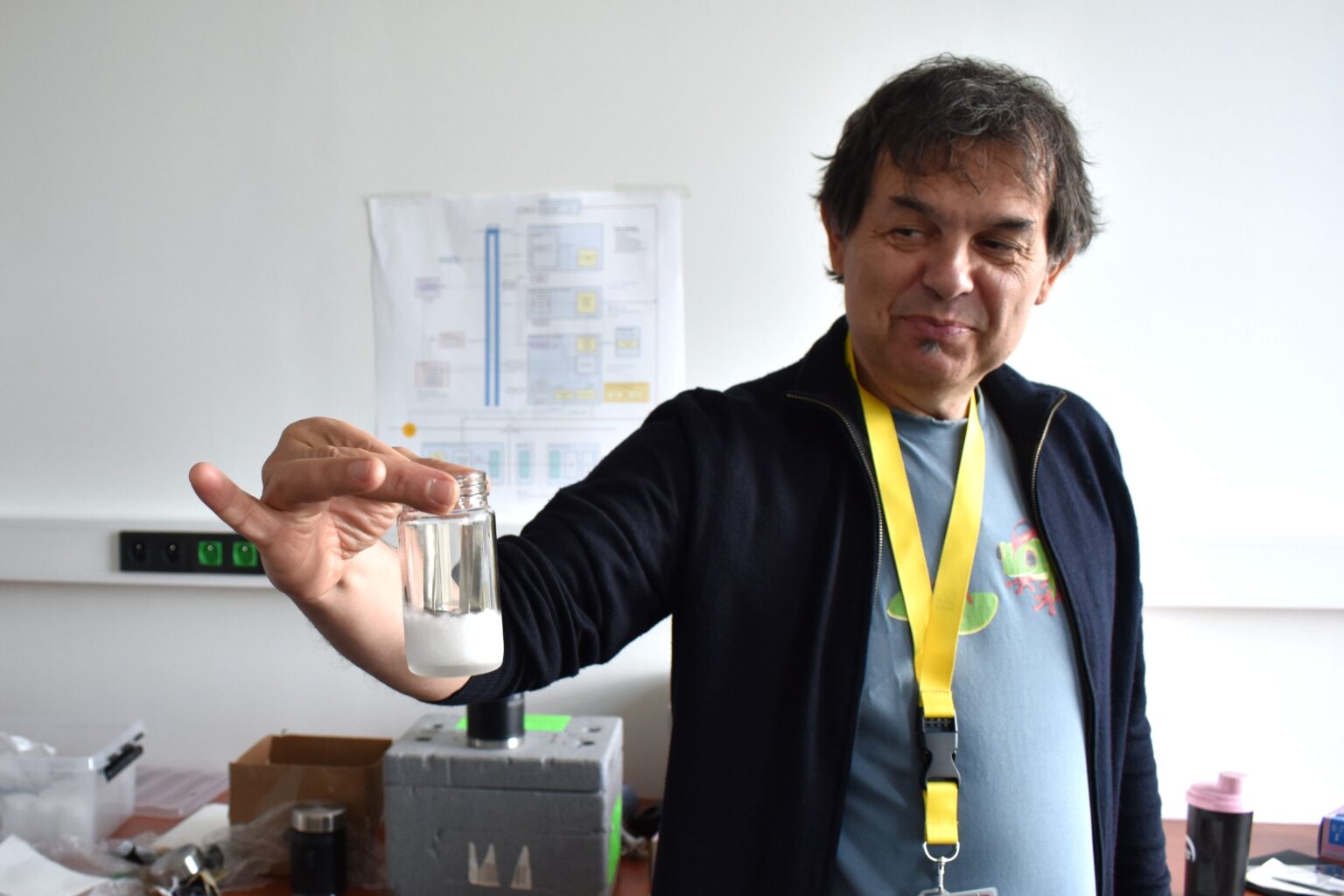
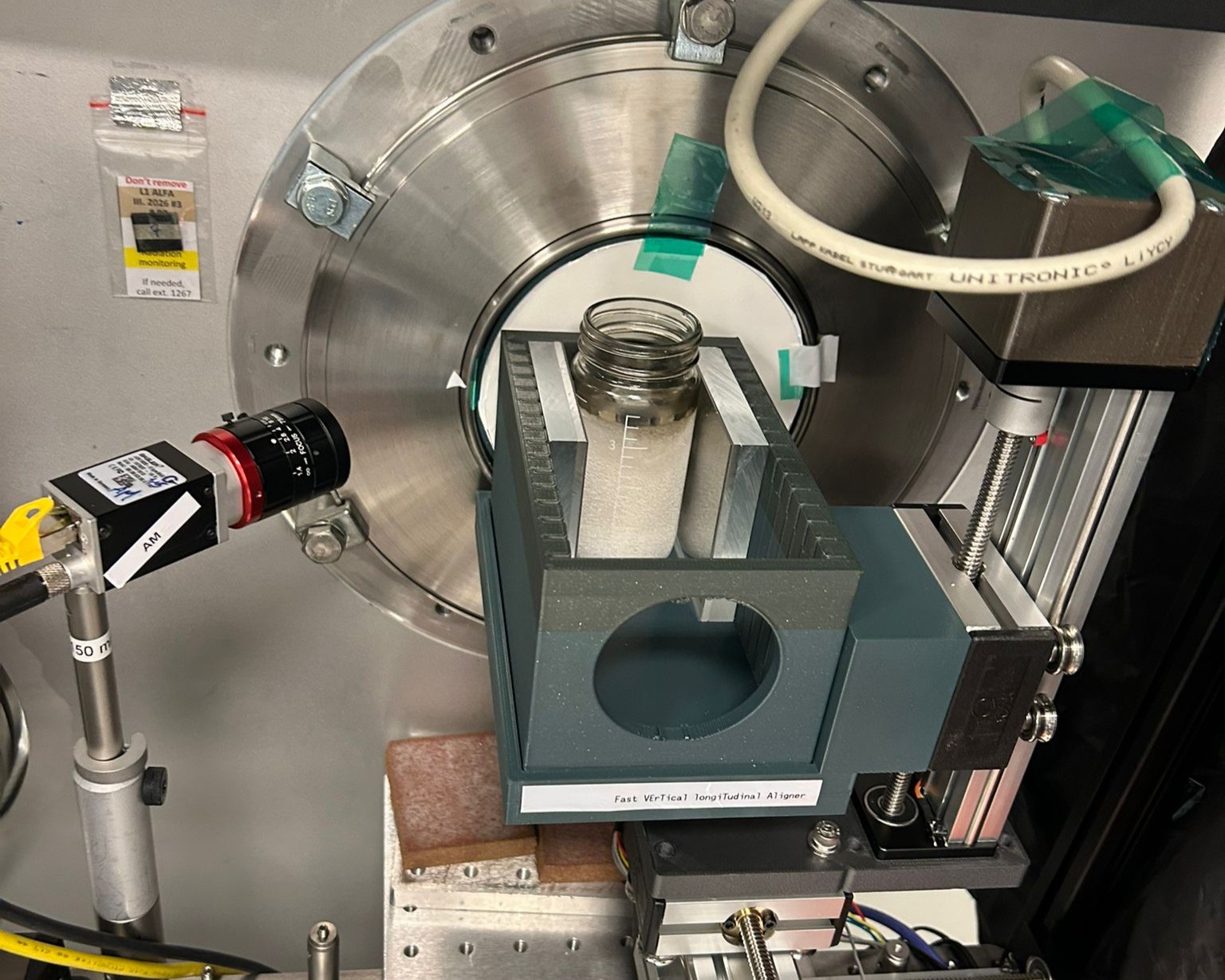
The research focused on studying chemical processes in ice under conditions similar to those found in several places in our solar system and in space. Scientists worked with ice samples and aqueous solutions containing salts and simple organic molecules, such as formamide. The samples were placed in specialized compartments, frozen to simulate low-temperature environments, and ultimately irradiated with laser generated electron beams.
After irradiation, the samples were analysed using ultrasensitive Orbitrap mass spectrometry. The experiment also included monitoring the formation of organics from simpler molecules such as carbon dioxide, water, and ammonia, and comparing reactions in both solid (ice) and liquid phases.
Molecules relevant for the Origin of Life?
The simple electron initiated reactions form simple organic molecules that, under certain conditions, may lead to the formation of amino acids—the fundamental building blocks of life. “For this reason, the present studies are relevant in the context of prebiotic chemistry,” explains Ján Žabka.
ELI Beamlines: A centre of excellence in extreme laser science
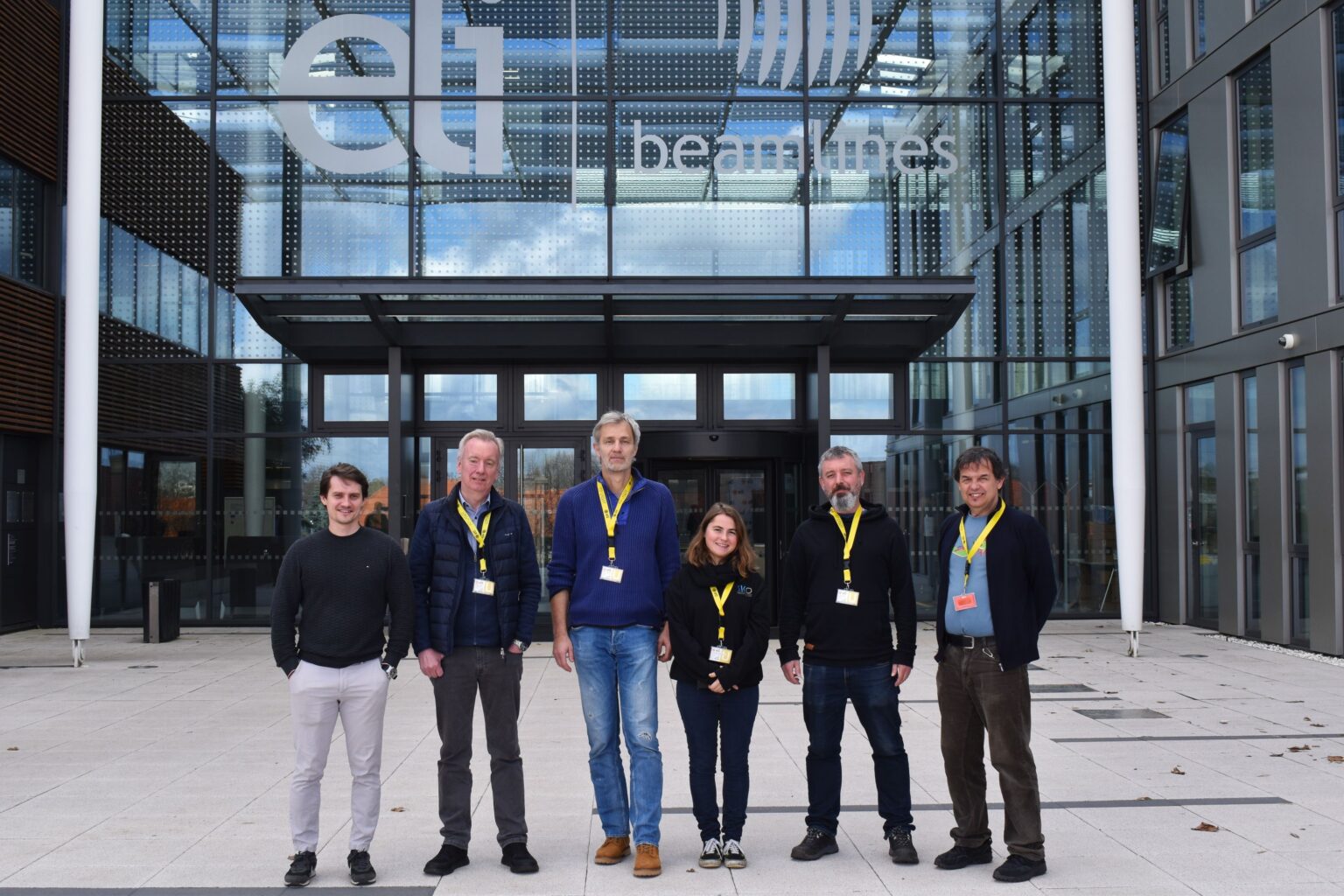
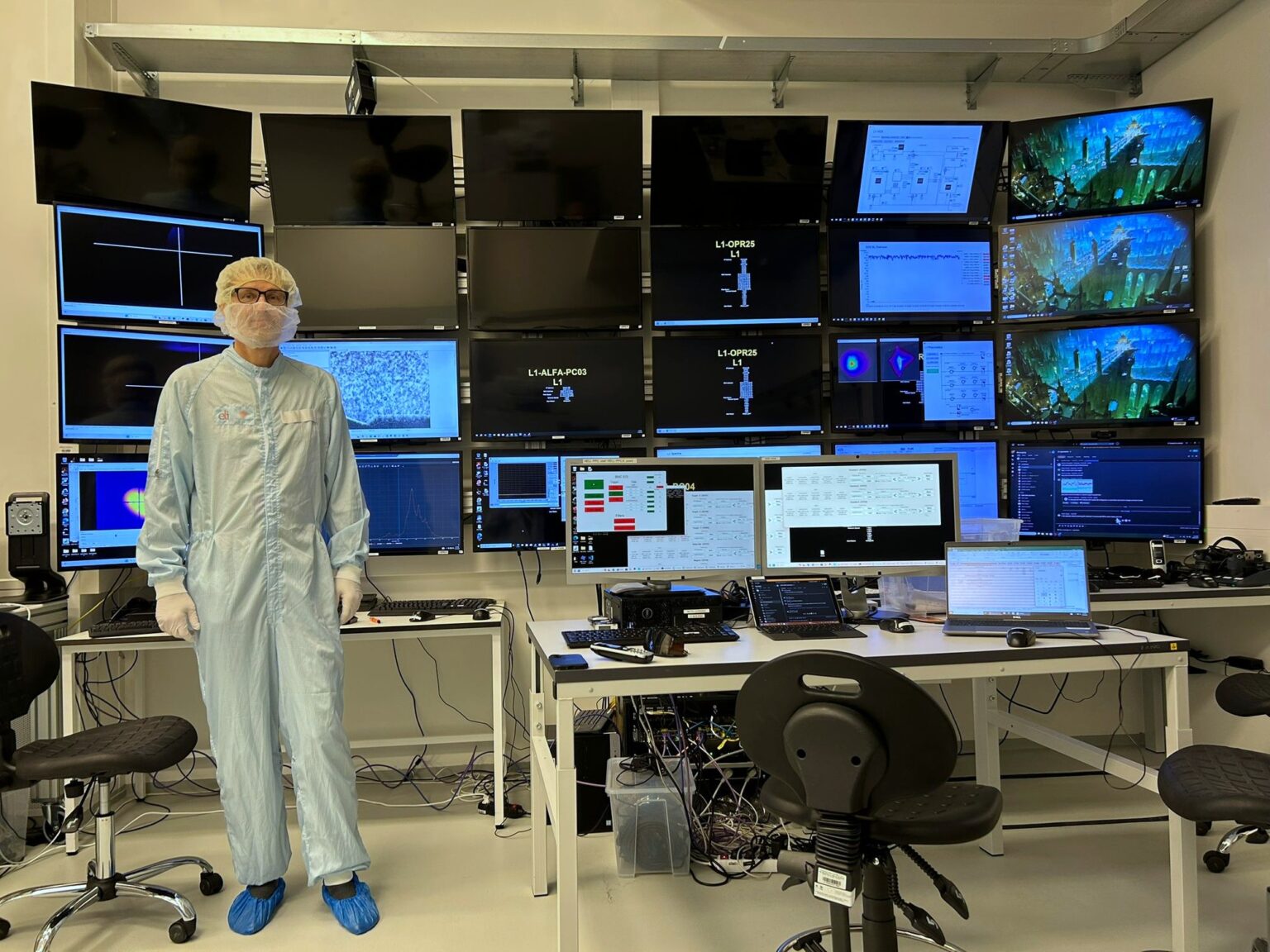
The ELI Beamlines Laser Centre is part of the European research infrastructure Extreme Light Infrastructure ERIC and ranks among the world’s leading facilities in laser technologies. The centre operates four high-power femtosecond laser systems capable of generating extremely intense radiation and accelerated particle beams. These unique sources are used across a wide range of fields—from physics and materials science to chemistry, biomedicine, and laboratory astrophysics.
Located in Dolní Břežany near Prague, the centre represents the largest scientific infrastructure of its kind in the Czech Republic. Since its launch in 2018, it has provided state-of-the-art conditions for international experiments with high application potential.